
Curbside Recycling Guidelines
Your recycling collection is referred to as “single-stream” recycling. This means that all recyclables go into your recycling cart together and do not need to be sorted. Materials are sorted at a single-stream sorting facility after collection.
Accepted Items

Corrugated Cardboard
Break down, remove any contaminants (Styrofoam, wood or food) and place cardboard in your Curby Recycler.
NOT ACCEPTED: wax-coated boxes, 6-, 12- or 24-pack beverage cases

Plastic Bottles, Jugs, Tubs & Containers
Items should be clean and dry. Includes bottles and jugs with narrow, threaded neck; plastic tubs (margarine, sour cream, etc.); microwave trays; and yogurt containers.
NOT ACCEPTED: plastic bags, paper- or wax-coated milk or juice cartons, foam containers/packaging, syringes, garden hoses/rubber, furniture, pools, toys, buckets, laundry baskets, barrels, free-flowing liquids

Mixed Paper
Place newspaper, magazines, direct “junk” mail, first class mail, other printing and writing papers, phone books and envelopes loose in Curby Recycler.
NOT ACCEPTED: plastic bags, string, twine, stickers, coins or plastic stuck on papers

Metal Cans & Aluminum
Includes tin and aluminum cans and aluminum foil and trays. Rinse clean and flatten.
NOT ACCEPTED: paint cans, appliances, hangers, fencing, scrap metal, aerosol cans or containers with food residue

Boxboard
Boxboard includes items like tissue boxes, cereal boxes and paper towel rolls. Break down and remove any contaminants (food, plastic or foil packaging).
NOT ACCEPTED: plastic, foam, wax- or foil-coated boxes, refrigerator or freezer boxes, including 6-, 12- or 24-pack beverage cases

Clear & Colored Glass Bottles & Containers
Rinse clean and remove lids. Labels may be left on containers.
NOT ACCEPTED: plastic bags, CRT glass (monitors or TV screens), light bulbs, window glass, mirrors, drinking glasses, cups, bowls or plates
Recycling Information from Our Blog
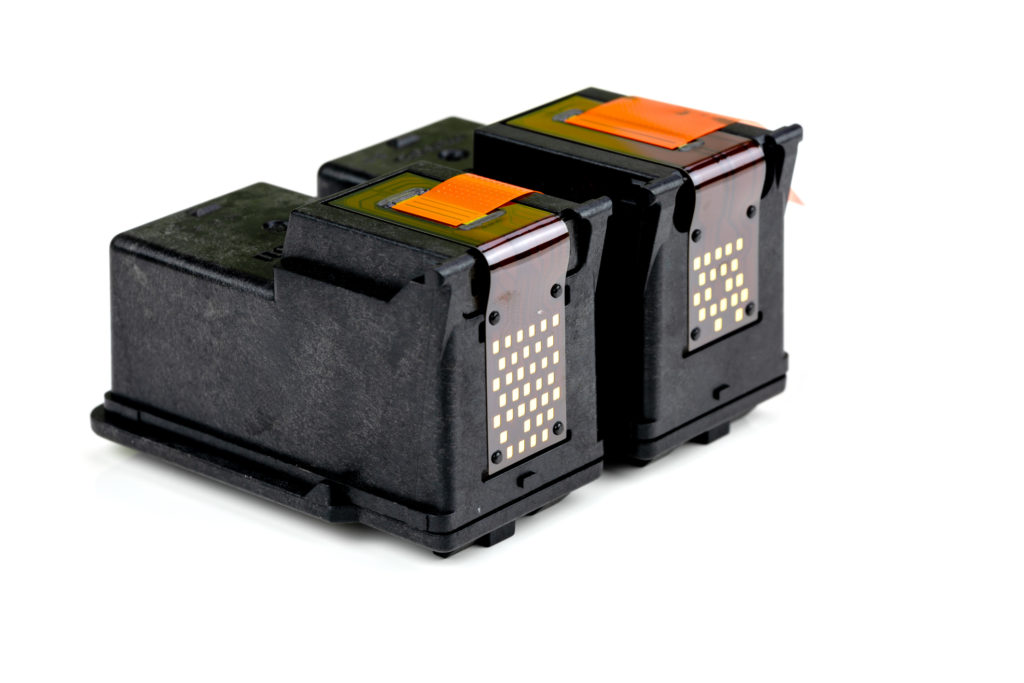
Household recycling collections and drop-offs are meant for recycling common items that can be recycled on a large scale. It’s important to follow the guidelines for this type of recycling carefully, but that doesn’t mean there aren’t other, more specialty items, that you may want to find another way to recycle. If you can’t or… Continue reading
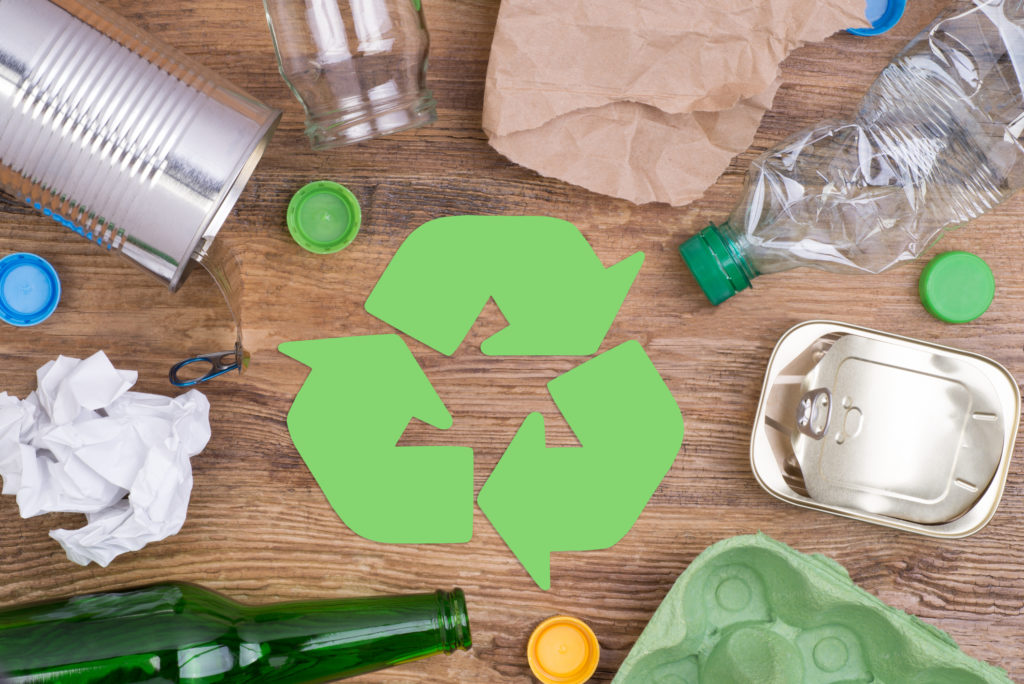
There’s a lot of information out there about recycling, but not all that information is correct. These are just some of the rumors flying around about recycling that aren’t actually true. Myth #1 Caps and lids need to be removed. While there was a time when lids and caps needed to be removed, the general… Continue reading
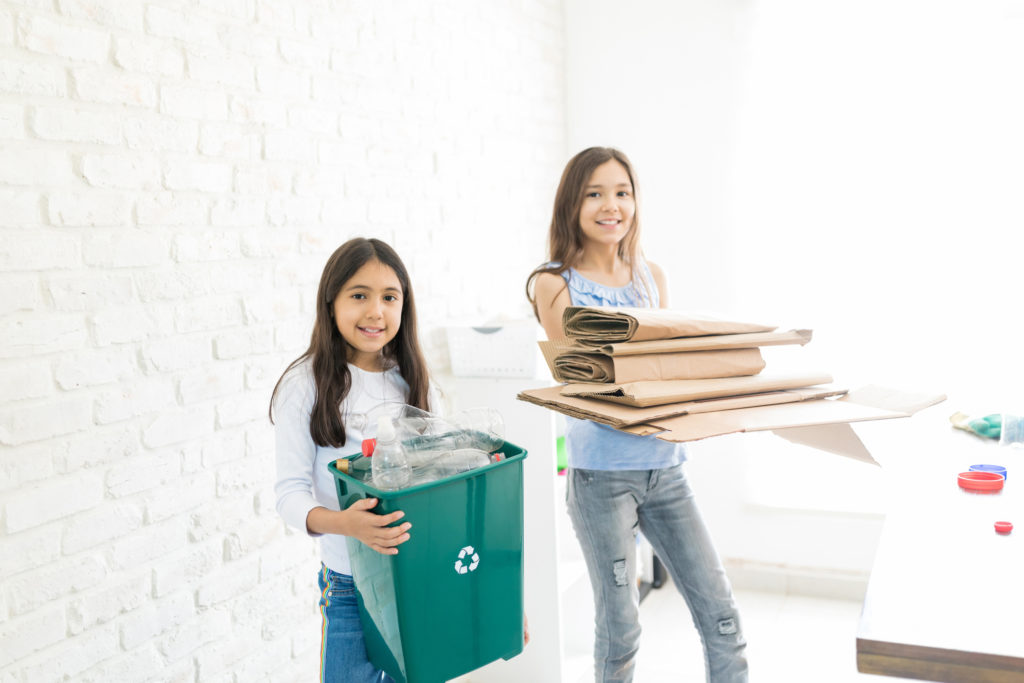
Once you’ve done the important work of determining what can be recycled in your area, preparing the materials for recycling and putting them out at the curb, putting them in your commercial recycling container or taking them to a drop-off, you may not worry much about how your materials are being recycled. The important thing… Continue reading
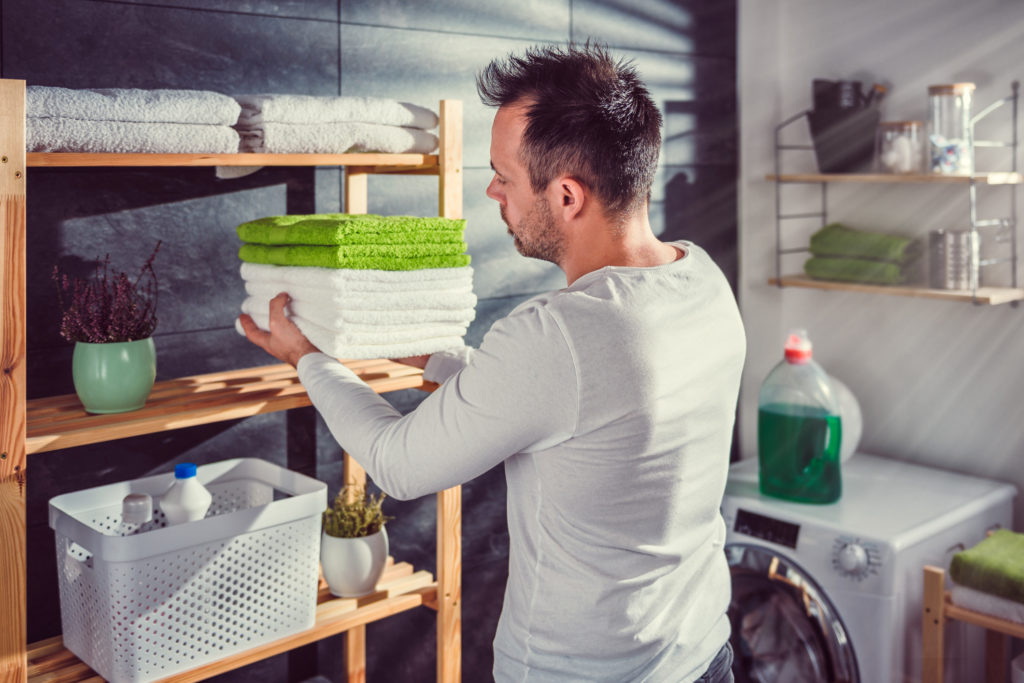
Continuing our series that gives practical and real examples of things you can recycle (or not) throughout your house, we take a visit to the laundry room. The laundry room is probably not your favorite place to hang out, but you no doubt spend a lot of time in there, particularly if you have kids…. Continue reading
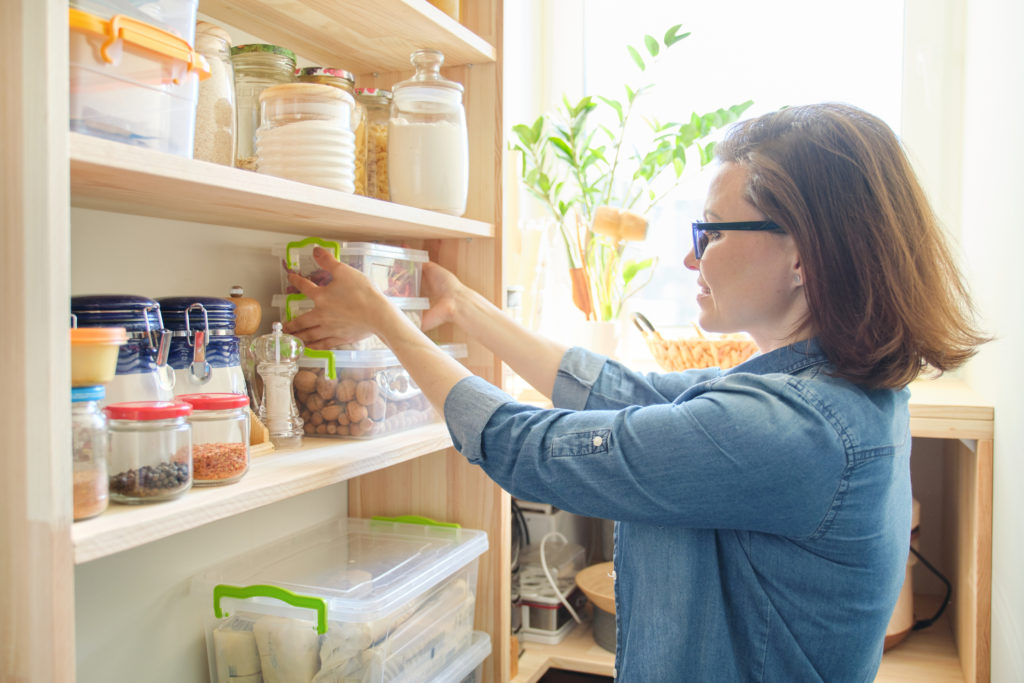
Continuing our series that gives practical and real examples of things you can recycle throughout your house, we take a visit to the pantry. And the name of the game with pantry recycling is EMPTY. Regardless of what the container is made of, all food items must be removed before it can be recycled. Please… Continue reading
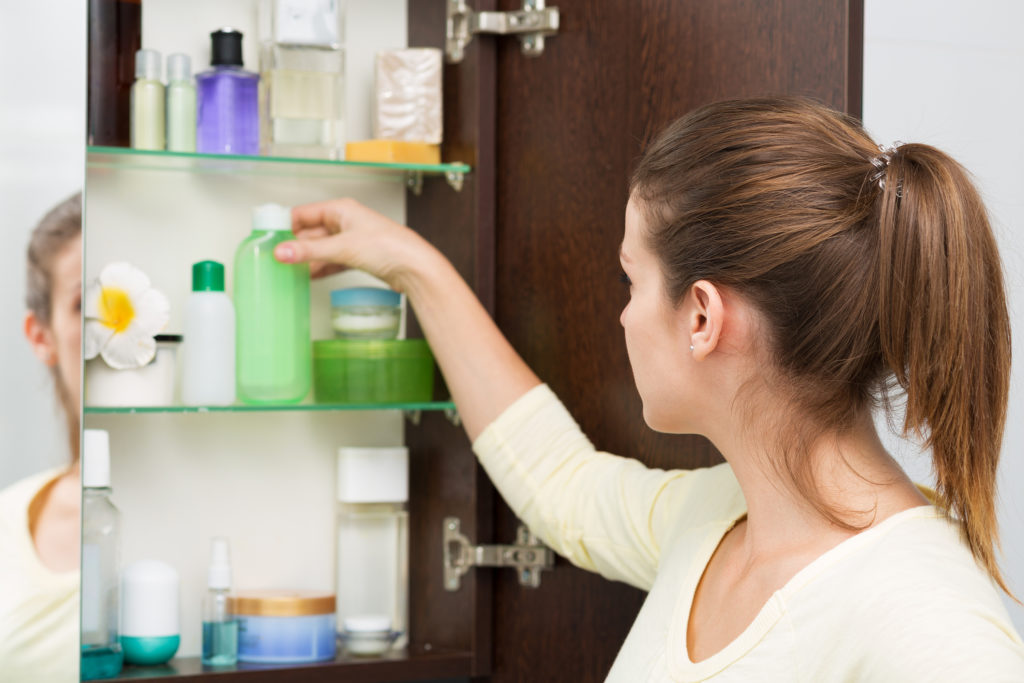
Recycling guidelines are helpful, but they’re usually pretty general. We thought it might be useful to publish some posts that give practical, real-life examples. This is the first in a series of blog posts that takes one room of your house and gives an intensive rundown of what can and can’t be recycled there. We’ll… Continue reading
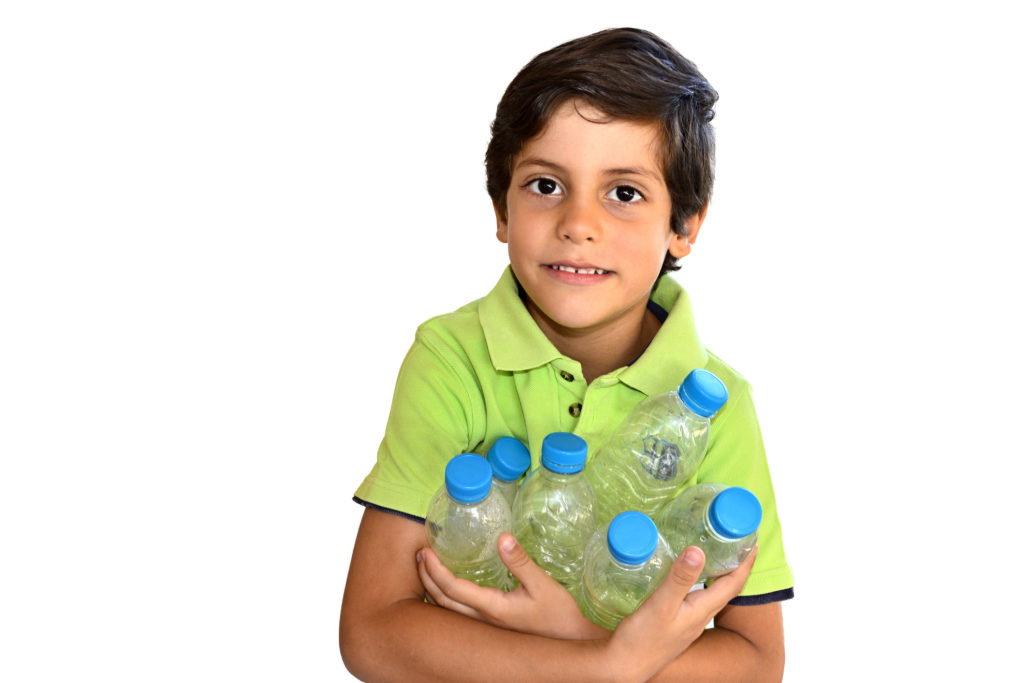
We know recycling can be complicated. Knowing what to put in your recycling collection is difficult enough without having to also remember how to prepare the materials. And, unfortunately, there’s a lot of outdated and misinformed information out there. But don’t worry. We’re here to help. Here are our answers to some commonly asked questions… Continue reading
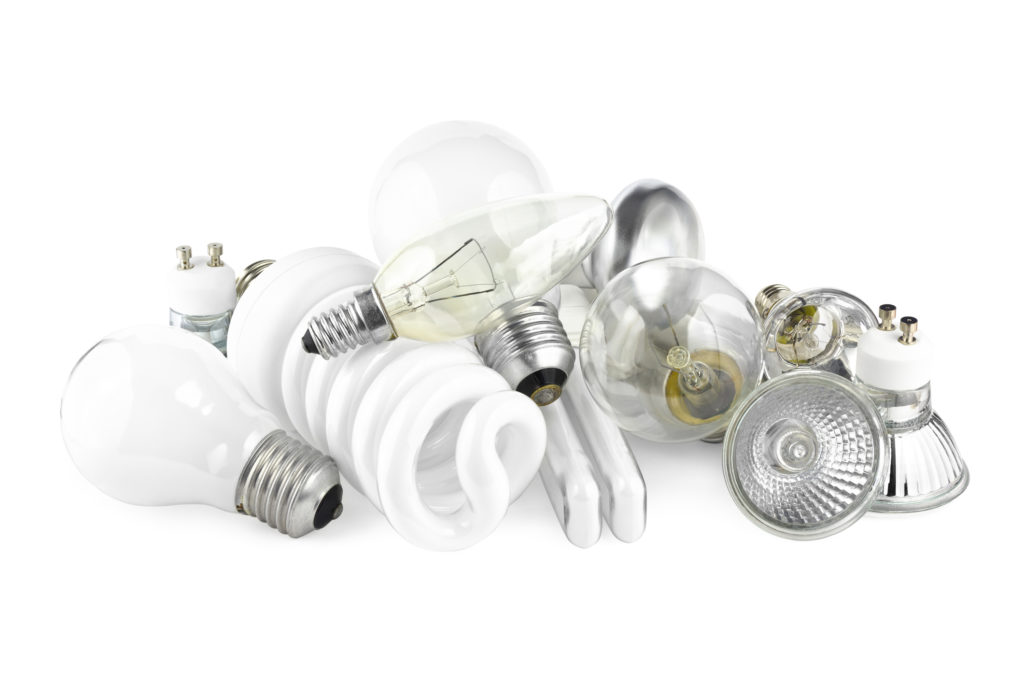
Light bulbs are a necessary part of our daily lives. Though new technology means light bulbs are lasting longer, we all occasionally hear that familiar pop when flipping the switch. And with all the different types of bulbs out there now, it can be confusing to know what to do with them when they reach… Continue reading
One of the challenges with recycling is that guidelines can vary in different areas and even in the same area from waste hauler to waste hauler. What haulers and municipalities accept is usually based on the requirements imposed on them by the processing facility their recycling goes to. In an ideal world, we’d have standardization… Continue reading
We’ve all seen it. We visit a Recycling Drop-off and notice items in the container that don’t belong. Some of them are blatant. Materials that are clearly trash are sitting in the container. Others are less obvious, such as a cardboard box that still contains plastic bags or polystyrene used to package the things inside…. Continue reading